CBT & Integrative Therapy for Anxiety, OCD and Self-Doubt in South West London and Online
Break free from cycles of overthinking, shame, and intrusive thoughts, and rediscover confidence, creativity, and calm.
Therapy for OCD, anxiety, burnout, low mood, and life transitions.
Book your FREE consultation →


You’ve tried to think your way out of anxiety, but your mind keeps looping back.
You’ve read the books, listened to the podcasts, journaled, and tried to push through, but the doubt always returns.
You question every decision, thought, or feeling until you’re mentally exhausted. Even when you get a moment’s relief, the worry creeps back in:
“What if I missed something? What if I’m the problem?”
Maybe your mind runs loops of intrusive thoughts or rituals that feel impossible to stop. Maybe you’re navigating burnout or creative paralysis, constantly torn between wanting rest and fearing you’re falling behind.
You’re not broken. You’ve been trying to cope in the best ways you know how, even if it’s become exhausting. Therapy can offer space to pause, understand, and find new ways forward.
I help adults move beyond the noise of anxiety, OCD, depression, low self esteem and perfectionism using evidence-based CBT and integrative, trauma-informed therapy. Together, we’ll focus not just on managing symptoms, but on helping you reconnect with meaning, confidence, and flow.
Areas I specialise in
OCD & Anxiety
Relationship OCD (ROCD)
Moral or Religious Scrupulosity
Harm or intrusive thoughts
“Just Right” OCD and symmetry
Magical thinking and over-responsibility
Health anxiety
Panic attacks
Generalised Anxiety Disorder (GAD)
Social Anxiety Disorder (SAD/Social Phobias)
Other areas of expertise/interest
ADHD
Burnout, stress, and low mood
Creative blocks and self-doubt
Racial, cultural, and religious trauma
Navigating life transitions
Long-term health conditions
Low self-esteem and shame
Wider areas
Agoraphobia
Attachment issues or relationship difficulties
Communication issues such as passive-aggressive communication
Depression
Imposter syndrome
Perfectionism
Procrastination and low motivation
Panic disorder
Phobias
Post-traumatic stress disorder (PTSD)
If this resonates and sounds familiar, please feel free to get in touch and book a FREE consultation with me so we can see how we may work together.
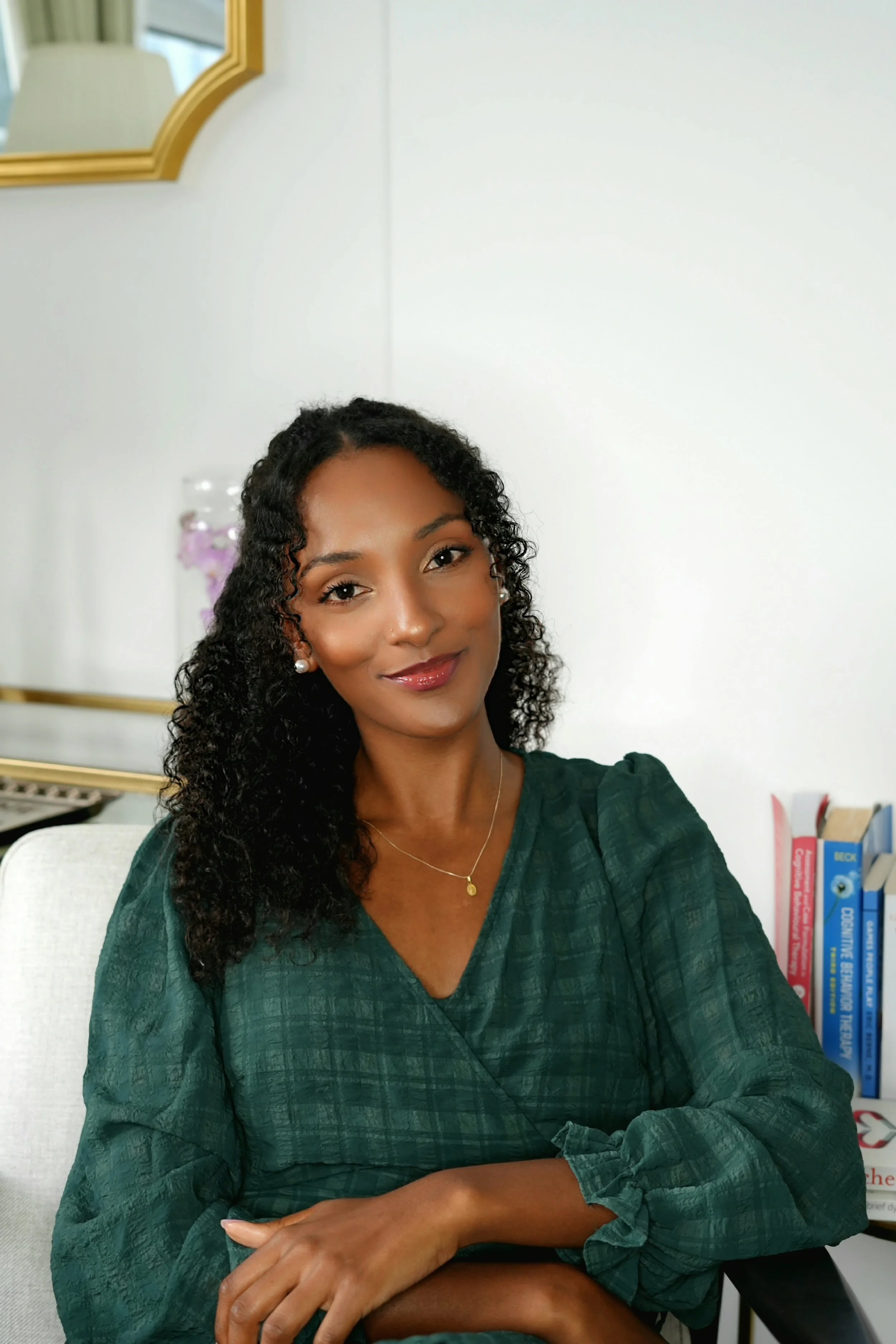


Hi, I’m Mariah Wilde, CBT Therapist and Founder of
Riah Therapies Psychotherapy Practice.
“Riah” means flow, ease, and life force; and that’s at the heart of my practice.
I’m a BABCP-accredited Cognitive Behavioural Therapist, integrative in approach and trauma-informed in practice. My background in social work shaped a deeply anti-oppressive, person-centred lens, meaning you’ll always be met with respect, curiosity, and compassion.
I have a specialist interest in anxiety disorders, and perfectionism, and welcome work with neurodivergent adults, creatives, and people of the global majority.
My approach blends evidence-based CBT with insights from ACT, CFT, and brief psychodynamic therapy, as well as mindfulness and somatic awareness helping clients rebuild safety, creativity, and confidence from the inside out.
As a creative and neurodivergent person myself, I know what it’s like to have a busy mind and high expectations. This means I also know how powerful it can be to slow down, find meaning, and work with your mind instead of against it.
→ Book your FREE consultation to see if we’re a good fit...
How It Works
*
How It Works *
How We’ll Work Together
Free Consultation – Book a 15-minute call to discuss your goals and see if we’re a good fit.
Flexible Options – Choose between online sessions or face-to-face therapy in South West London.
Collaborative Therapy Plan – We’ll create a clear plan using CBT and integrative approaches to help you move toward relief and growth.


Frequently Asked Questions.
-
Not at all, many of the people I work with are coming to therapy for the first time. You don’t need to know what to say or have everything figured out before we start. My role is to guide the process and create a space where you can explore things safely, at your own pace. We’ll discuss what you’d like to focus on, set clear goals together, and I’ll explain how therapy works so you feel supported every step of the way.
-
What type of problems I help with
My work blends Cognitive Behavioural Therapy (CBT) with relational, systemic, and creative approaches, offering support for a wide range of emotional, mental health, and life‑stage challenges. CBT is particularly effective for:
Anxiety & Stress
Obsessive‑Compulsive Disorder (OCD)
Post‑traumatic stress and trauma recovery
Generalised anxiety and persistent worry
Panic attacks and agoraphobia
Social anxiety
Health anxiety
Specific phobias
Mood, Confidence & Self‑Esteem
Depression
Low self‑esteem and self‑confidence
Stress and overwhelm
Anger regulation
Life Transitions & Wellbeing
Navigating change, loss, or major life transitions
Loneliness and isolation
Building resilience and self‑care
Living with long‑term conditions or chronic pain
Other Areas
Sleep difficulties
Procrastination and motivation challenges
Creative block or performance anxiety for artists, musicians, and performers
-
Sessions are £95 for 50 minutes.
Concessionary rates are available for students, carers, and those who are unemployed. Please enquire about current availability. Fees are set in line with location, qualifications, and professional experience.
-
I work with adults aged 18 and over.
-
This will be agreed collaboratively, taking into account your goals and what will best support your progress.
Therapy usually begins on a weekly basis, as regularity helps build momentum and continuity. Over time, we may review and adjust the frequency together.Sessions are 50 minutes long.
-
We’ll begin by setting an agenda together. Typically, the first session includes:
Exploring your goals and expectations for therapy
Agreeing on a therapeutic contract
Beginning an assessment of your current symptoms or areas you’d like to focus on
This first meeting is also a space to get a sense of how we might work together and whether therapy feels like a good fit for you.
-
In addition to online therapy, I offer in-person therapy in two South West London locations:
Sutton: Sessions take place at Oru Sutton, a calm wellbeing and coworking space just a five-minute walk from Sutton Station.
Wimbledon: In-person sessions are also available upon request, subject to room availability.
Online sessions are also available for those who prefer this format.
Specialisms
I offer tailored CBT for:
-
OCD & ANXIETY DISORDERS
I specialise in helping people break free from obsessive thought loops, compulsions, and constant self-doubt, using evidence-based CBT to bring calm and clarity back to everyday life.

-
NEURODIVERGENT ADULTS
I offer neuroaffirming therapy for adults with ADHD, Autism, Dyslexia, Dyspraxia and Dyscalculia creating a space where difference is understood, not pathologised, and strategies are tailored to your mind.

-
BURNOUT, SELF-DOUBT & PERFECTIONISM
I support creatives and high-achievers facing burnout, perfectionism, and imposter feelings, helping you reconnect with confidence, focus, and your natural flow.

-
TRAUMA AND LIFE TRANSITIONS
I support people navigating change, loss, and difficult life events, including racial, cultural, and religious trauma, long-term health conditions, relationship break‑ups or divorce, becoming a new parent, and other major life decisions, helping you process experiences, restore a sense of safety, and move forward with resilience.

Suitability & Exclusion Criteria
My practice is designed to support adults who are looking for talking therapy for difficulties such as anxiety, low mood, stress, relationships, self-esteem, life transitions, and mild–moderate OCD.
There are some situations where a different type of service would be more appropriate or safer. If you are experiencing any of the following, you may benefit from liaising with your GP for signposting, or using a trusted website such as the NHS (www.nhs.uk/mental-health) to find the most suitable support:
I do not offer therapy for clients who are currently experiencing:
Severe eating disorders as the primary issue
Personality disorders requiring specialist or structured support (e.g., DBT, mentalisation-based treatment)
Alcohol or drug dependence
Significant impulse control difficulties, or a high level of risk to self or others
Psychotic disorders or symptoms suggestive of psychosis
Bipolar disorder (type I or II), where therapy is most effective alongside specialist psychiatric and multidisciplinary support
Recent psychiatric hospital admission (within the past 12 months) for mental health concerns
Dementia or significant cognitive/neurological impairment, including conditions affecting memory, orientation, processing, or capacity to safely engage in psychological therapy
Active crisis, including immediate risk to safety, requiring emergency or crisis team involvement
These difficulties often require multidisciplinary support and a level of medical, psychiatric, or intensive input that private talking therapy alone cannot safely provide.
Please note
While I work with OCD, I am best placed to support individuals who are:
managing mild–moderate OCD symptoms
and not currently in need of specialist, intensive, or inpatient OCD services.
If you’re unsure whether your situation is suitable
You are very welcome to book a free 15–20 minute consultation, and I can help guide you toward the most appropriate support, whether within my practice or elsewhere. My priority is to ensure you receive care that is safe, ethical, and aligned with your needs.
How CBT Helps
How CBT Can Help You
Cognitive Behavioural Therapy (CBT) helps you understand the connection between your thoughts, emotions, and actions, and find practical ways to change patterns that keep you stuck.
You’ll learn tools to:
Manage intrusive thoughts and uncertainty
Break free from unhelpful rituals or mental loops
Build emotional awareness and resilience
Develop self-compassion and confidence
Restore motivation and creativity
My approach is integrative, informed by CBT, ACT (Acceptance and Commitment Therapy), CFT (Compassion Focused Therapy), and psychodynamic understanding of attachment and relationships based on DIT (Dynamic Interpersonal Therapy- a brief form of Psychodynamic Therapy).
Learn more about my approach and training →